Cavities can develop much earlier than many parents expect. From the moment a baby’s first tooth erupts, that tooth is susceptible to dental decay. The good news is that early childhood cavities are often preventable with consistent oral hygiene, thoughtful feeding habits, appropriate fluoride exposure, and regular pediatric dental care.
At the office of Gary D. Sabbadini, D.D.S., a Board Certified Specialist in Pediatric Dentistry in Pinole, California, prevention begins with helping families understand the everyday factors that influence a child’s oral health. Establishing healthy routines during infancy and toddlerhood can protect primary teeth while creating habits that support a healthy smile for years to come.
The American Academy of Pediatric Dentistry (AAPD) recognizes early childhood caries as a significant chronic disease caused by an imbalance between multiple risk and protective factors over time. The AAPD recommends establishing a dental home within six months after the first tooth erupts and no later than 12 months of age.
Why Cavity Prevention Should Begin in Infancy
Baby teeth, also called primary teeth, play important roles in eating, speech development, appearance, and maintaining space for permanent teeth. Although primary teeth eventually fall out, keeping them healthy is an important part of a child’s overall oral health.
Tooth decay occurs when bacteria in dental plaque metabolize carbohydrates, particularly sugars, and produce acids. Repeated acid exposure can cause minerals to leave the tooth enamel. When this process occurs more quickly than the tooth can repair itself, a cavity can develop.
Young children can be particularly vulnerable because newly erupted teeth require protection from the very beginning. The ADA advises parents to schedule a child’s first dental visit when the first tooth erupts and establish a dental home before the first birthday.
Start Cleaning Your Baby’s Mouth Early
Before the First Tooth Appears
Parents can introduce oral care even before teeth erupt. Gently wiping a baby’s gums can help establish a routine and familiarize the child with having their mouth cleaned.
Once the first tooth appears, brushing becomes an essential part of daily cavity prevention.
Brush as Soon as the First Tooth Erupts
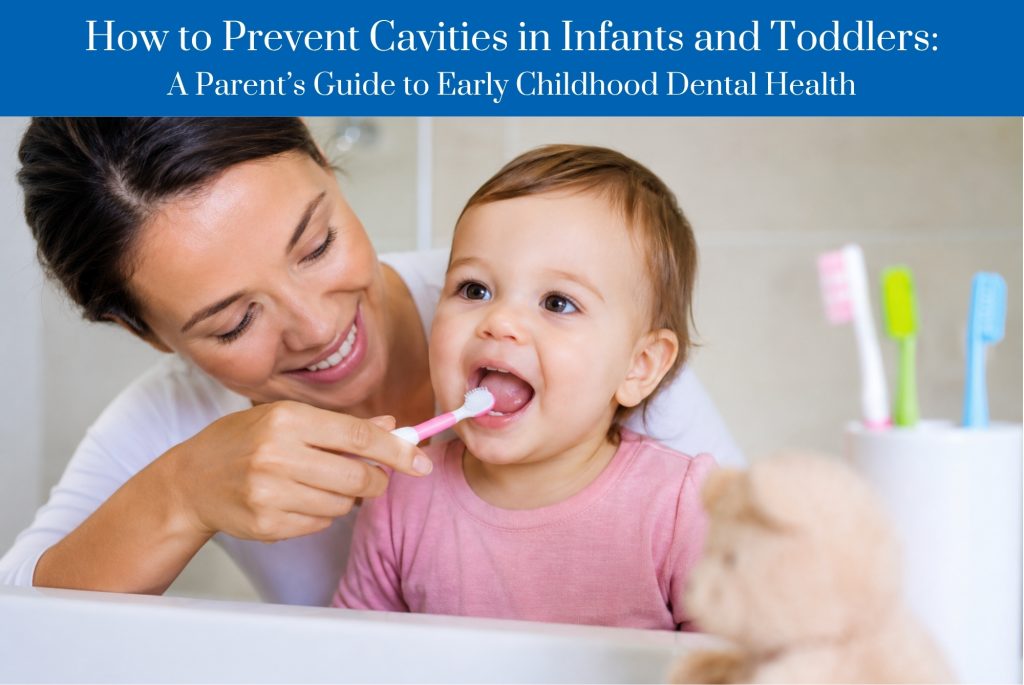
Parents should begin brushing when the first tooth comes in. The ADA and AAPD recommend brushing twice daily with fluoride toothpaste, using only a smear approximately the size of a grain of rice for children younger than three years.
A small, soft-bristled, age-appropriate toothbrush can make brushing more comfortable. At this age, an adult should perform or closely supervise brushing because infants and toddlers do not yet have the coordination to clean their teeth effectively.
Gary D. Sabbadini, D.D.S. also advises families to begin cleaning and brushing teeth as soon as they erupt and to use only a smear of fluoride toothpaste for young children.
Use the Right Amount of Fluoride Toothpaste
How Much Toothpaste Does an Infant or Toddler Need?
More toothpaste does not mean better cavity protection.
For children younger than three years, use no more than a rice-grain-sized smear of fluoride toothpaste. Beginning at age three, children generally can transition to a pea-sized amount. The ADA recommends adult supervision so that children use the appropriate quantity and learn not to swallow unnecessary toothpaste.
Fluoride helps strengthen enamel and makes teeth more resistant to the cycle of demineralization that contributes to cavities. The AAPD identifies drinking fluoridated water and brushing twice daily with fluoridated toothpaste among the most effective approaches for reducing dental caries in children.
Parents with questions about their child’s fluoride exposure, especially those using well water, bottled water, or home filtration systems, should discuss their individual circumstances with a pediatric dentist.
Brush Twice Every Day
Make Morning and Bedtime Brushing Nonnegotiable
Consistency is one of the most valuable tools parents have.
Brush your child’s teeth twice each day, including before bedtime. The ADA’s general home-care recommendations support twice-daily brushing with fluoride toothpaste for cavity prevention.
Nighttime brushing deserves particular attention because teeth should be clean before a child goes to sleep. Avoid giving toddlers sugary drinks or snacks after their teeth have been brushed for the night.
Making brushing part of a predictable morning and bedtime routine can also make cooperation easier as a child gets older.
Know When to Start Flossing
Floss When Teeth Begin Touching
A toothbrush cleans exposed tooth surfaces well, but bristles may not adequately clean tight spaces between adjacent teeth.
Once two baby teeth touch, parents should begin cleaning between them with floss. Dr. Sabbadini’s guidance for families similarly recommends beginning flossing when two teeth touch.
This can become particularly important as a toddler develops more teeth and contacts between neighboring teeth become tighter.
Understand How Diet Affects Cavities
Frequency of Sugar Exposure Matters
Parents often associate cavities with candy, but cavity risk involves much more than sweets.
Many foods and drinks contain fermentable carbohydrates that oral bacteria can use to produce acids. Repeated exposure throughout the day means repeated acid attacks on the teeth.
For this reason, how frequently a child consumes sugary or carbohydrate-rich foods and beverages can be an important consideration.
The AAPD’s early childhood caries guidance emphasizes limiting frequent exposure to foods and beverages containing sugar, particularly sugar-sweetened drinks in bottles or no-spill cups.
Choose Water Between Meals
Water is generally the best everyday beverage between meals once it is developmentally appropriate for the child.
Frequently sipping juice, sweetened beverages, or other sugary liquids exposes teeth to carbohydrates repeatedly. Dr. Sabbadini’s toddler oral-health recommendations specifically advise families to avoid frequent sipping of sweet liquids and emphasize water and appropriate fluoride exposure as part of cavity prevention.
Be Careful With Bottles and Sippy Cups
Avoid Putting a Child to Bed With Sugary Liquids
A bottle or cup can become a cavity risk when a child repeatedly drinks milk, juice, formula, or other carbohydrate-containing liquids over prolonged periods, particularly during sleep.
During the night, saliva flow decreases. Saliva normally helps wash away food particles, neutralize acids, and support remineralization. Frequent nighttime exposure can therefore create conditions favorable to tooth decay.
Parents should avoid allowing a child to sleep with a bottle containing sugary or carbohydrate-rich liquids. The AAPD also advises against frequent consumption of sugar-containing liquids in baby bottles or no-spill training cups as part of early childhood caries prevention.
Don’t Let a Sippy Cup Become an All-Day Bottle
What Is in the Cup Matters
Transition cups can be useful developmental tools, but allowing a toddler to carry one containing juice or another sweet beverage throughout the day can repeatedly bathe the teeth in sugar.
When children are thirsty between meals, water is the tooth-friendly choice.
Structured meals and snacks also help parents reduce continual exposure to cavity-promoting foods and drinks.
Pay Attention to Sticky Snacks
“Healthy” Foods Can Still Affect Teeth
Some foods marketed to children can stick to teeth for extended periods. Dried fruits, fruit snacks, fruit leathers, crackers, and similar foods may remain in grooves or between teeth.
Dr. Sabbadini’s toddler tooth-care recommendations encourage families to avoid sticky dried fruit and fruit snacks as part of a cavity-conscious diet.
Parents do not necessarily need to eliminate every carbohydrate-containing food. Instead, focus on balanced meals, sensible snack frequency, water between eating occasions, and consistent brushing.
Make Fluoride Part of Your Child’s Cavity-Prevention Plan
Fluoridated Water Can Help Protect Teeth
Fluoride supports remineralization and strengthens enamel against acid attacks. Community water fluoridation has long been used as a population-level cavity-prevention measure, and the AAPD supports an optimal fluoride concentration of 0.7 ppm in public drinking-water supplies where feasible.
Fluoride needs can vary depending on drinking-water sources and individual cavity risk. Parents should consult their child’s dentist before starting fluoride supplements or making significant changes based solely on general information.
Ask About Professional Fluoride Treatments
Professional fluoride varnish can provide additional protection for young teeth, particularly when a child has elevated cavity risk. Pediatric dental recommendations support professionally applied fluoride according to an individual child’s age and caries-risk assessment.
A pediatric dentist can determine an appropriate preventive schedule after evaluating the child’s teeth, diet, fluoride exposure, medical history, and other risk factors.
Schedule the First Dental Visit by Age One
Why So Early?
Parents sometimes assume that dental visits are unnecessary until a child has most of their baby teeth. Current pediatric dental recommendations emphasize much earlier care.
The AAPD recommends establishing a dental home within six months after the first tooth erupts and no later than 12 months of age.
An early dental visit allows the dentist to examine developing teeth, evaluate cavity risk, review brushing and fluoride use, discuss feeding practices, and answer parents’ questions before problems develop.
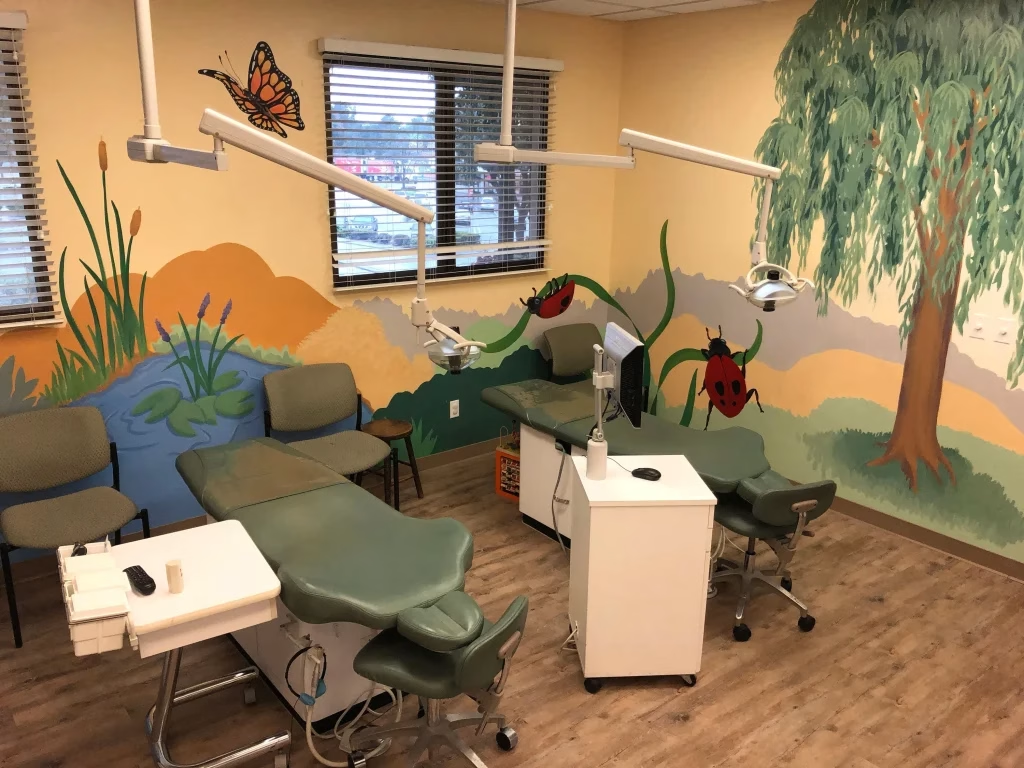
Early appointments can also help children become familiar with the dental environment in a positive, age-appropriate way.
Recognize Early Signs of Tooth Decay
What Should Parents Look For?
Early cavities are not always obvious and may not initially cause pain.
Parents should pay attention to unusual white, chalky, brown, or dark areas on the teeth and changes in tooth appearance or texture. Persistent sensitivity, discomfort while eating, swelling, or complaints of tooth pain should also prompt professional evaluation.
Because decay can sometimes progress without noticeable symptoms, routine pediatric dental examinations are important even when everything appears normal at home.
Cavity Risk Is Different for Every Child
Why Individual Risk Assessment Matters
There is no single cavity-prevention plan that is perfect for every infant or toddler.
The AAPD’s caries-risk framework considers social, behavioral, medical, clinical, and protective factors when determining whether a child has low, moderate, or high cavity risk. Preventive care can then be individualized accordingly.
A child with previous decay, frequent sugar exposure, limited fluoride exposure, certain medical or developmental considerations, or other risk factors may benefit from a different preventive strategy or appointment schedule than a child at lower risk.
This individualized approach is one reason establishing a relationship with a pediatric dentist early in life can be valuable.
A Simple Daily Cavity-Prevention Routine for Infants and Toddlers
Parents can build a strong foundation around a few consistent habits:
Brush twice daily as soon as the first tooth appears. Use a rice-grain-sized smear of fluoride toothpaste for children younger than three. Have a parent or caregiver perform or closely supervise brushing.
Begin flossing when neighboring teeth touch. Offer water between meals when appropriate, minimize frequent sugary drinks and snacks, and avoid prolonged exposure to sweet liquids in bottles or training cups.
Most importantly, establish a dental home by the child’s first birthday and keep preventive visits based on the pediatric dentist’s recommended schedule.
Small actions performed consistently can have a significant cumulative effect on a child’s oral health.
Frequently Asked Questions About Preventing Cavities in Babies and Toddlers
Can Babies Really Get Cavities?
Yes. Teeth become susceptible to decay once they erupt. Early childhood caries can affect infants and toddlers, which is why preventive care should begin with the first tooth rather than waiting until all primary teeth have appeared.
When Should I Start Brushing My Baby’s Teeth?
Begin brushing as soon as the first tooth erupts. Brush twice daily using a soft, age-appropriate toothbrush and a small smear of fluoride toothpaste.
Should Infants and Toddlers Use Fluoride Toothpaste?
Yes. Current ADA and AAPD guidance recommends fluoride toothpaste beginning when the first tooth erupts. Children younger than three should use only a smear approximately the size of a grain of rice.
How Much Toothpaste Should I Use for My Toddler?
For children younger than three, use a rice-grain-sized smear. From ages three through six, the ADA recommends no more than a pea-sized amount.
How Often Should I Brush My Toddler’s Teeth?
Brush twice daily with fluoride toothpaste, including a thorough brushing before bedtime. Parents should remain actively involved because toddlers cannot reliably brush all tooth surfaces by themselves.
When Should I Start Flossing My Child’s Teeth?
Begin flossing when neighboring teeth touch and the toothbrush cannot adequately clean between them.
Can Milk Cause Cavities in Baby Teeth?
Milk contains naturally occurring carbohydrate. The concern is particularly prolonged or repeated exposure, such as routinely allowing milk or other carbohydrate-containing beverages to remain around the teeth during sleep. Brush before bedtime and avoid putting a child to sleep with a bottle containing anything other than water unless your child’s healthcare professional has advised otherwise.
Does Juice Cause Cavities?
Frequent juice consumption can contribute to cavity risk because juice exposes teeth to sugars and acids. Avoid allowing toddlers to sip juice continuously throughout the day. Water is a better choice for routine sipping between meals.
Is a Sippy Cup Bad for My Toddler’s Teeth?
The cup itself is not necessarily the problem. What it contains and how frequently the child drinks from it are important. A cup filled with a sugary beverage and carried throughout the day can result in frequent sugar exposure. Water is a better option for between-meal sipping.
What Snacks Are Better for My Toddler’s Teeth?
Choose balanced, age-appropriate foods and limit frequent sticky or sugary snacks. Foods that cling to teeth can prolong carbohydrate exposure, so regular meals and planned snacks are generally preferable to constant grazing.
Is Fluoridated Water Safe for Young Children?
Major U.S. dental organizations support optimally fluoridated community water as an effective cavity-prevention measure. The AAPD supports an optimal level of 0.7 ppm for community water fluoridation.
If you are uncertain about the fluoride level in your family’s primary drinking water, ask your pediatric dentist for individualized guidance.
Does My Child Need Fluoride Varnish?
Many children benefit from professionally applied fluoride varnish. The appropriate frequency depends partly on cavity risk and should be determined by a dental or medical professional.
When Should My Baby First See a Pediatric Dentist?
The AAPD recommends establishing a dental home within six months after the first tooth erupts and no later than the child’s first birthday.
Why See a Pediatric Dentist If Baby Teeth Eventually Fall Out?
Primary teeth support chewing, speech development, and space for developing permanent teeth. Preventive pediatric dental care also allows parents to identify risk factors early and learn how to care for their child’s changing smile.
What If My Toddler Hates Having Their Teeth Brushed?
Resistance to brushing is common at this age. Keep the routine predictable, use an age-appropriate toothbrush, remain calm and consistent, and let the child participate without giving up the parent’s responsibility for completing the brushing. Your pediatric dentist can demonstrate positions and techniques that make brushing a young child’s teeth easier.
Can Cavities Be Prevented Completely?
No prevention strategy can guarantee that a child will never develop a cavity because dental caries is influenced by multiple biological, behavioral, dietary, environmental, and protective factors. However, twice-daily fluoride toothpaste, appropriate diet and beverage habits, fluoride exposure, professional preventive care, and individualized caries-risk assessment can substantially strengthen a child’s prevention strategy.
Building Healthy Smiles From the Very First Tooth
Preventing cavities in infants and toddlers does not require complicated routines. The most effective approach is built around consistent daily habits: begin brushing when the first tooth erupts, use the correct amount of fluoride toothpaste, clean between touching teeth, reduce frequent sugar exposure, make water the routine between-meal beverage when appropriate, and establish professional dental care early.
Parents in Pinole and surrounding communities can also benefit from personalized recommendations based on their child’s individual cavity risk, development, diet, and fluoride exposure.
Gary D. Sabbadini, D.D.S., provides pediatric dental care with an emphasis on prevention and helping families establish healthy oral-care habits from an early age. The practice identifies Dr. Sabbadini as a Board Certified Specialist in Pediatric Dentistry and provides resources specifically addressing infant and toddler oral health.
Contact Information
Gary D. Sabbadini, D.D.S.
Board Certified Specialist in Pediatric Dentistry
1500 Tara Hills Dr., Suite 100
Pinole, CA 94564
(510) 724-4400
Website: pinolepediatricdentist.com